How does one describe successful web design?
Strong web design is not just a slick homepage or eye-catching colors. It is a carefully planned blend of user experience (UX), aesthetic appeal, and business goals that allows visitors find what they need quickly and act confidently. In the case of Syracuse brands, that means building a site that looks professional, performs well, and supports the customer journey from first visit to conversion.
A solid website uses visual hierarchy to guide attention, making important details stand out in a clear order. Headlines, buttons, imagery, and section spacing should work together to improve website usability and make the content easy to scan. When design is purposeful, it supports engaging layout, better readability, and a smoother path toward a phone call, form fill, or purchase.
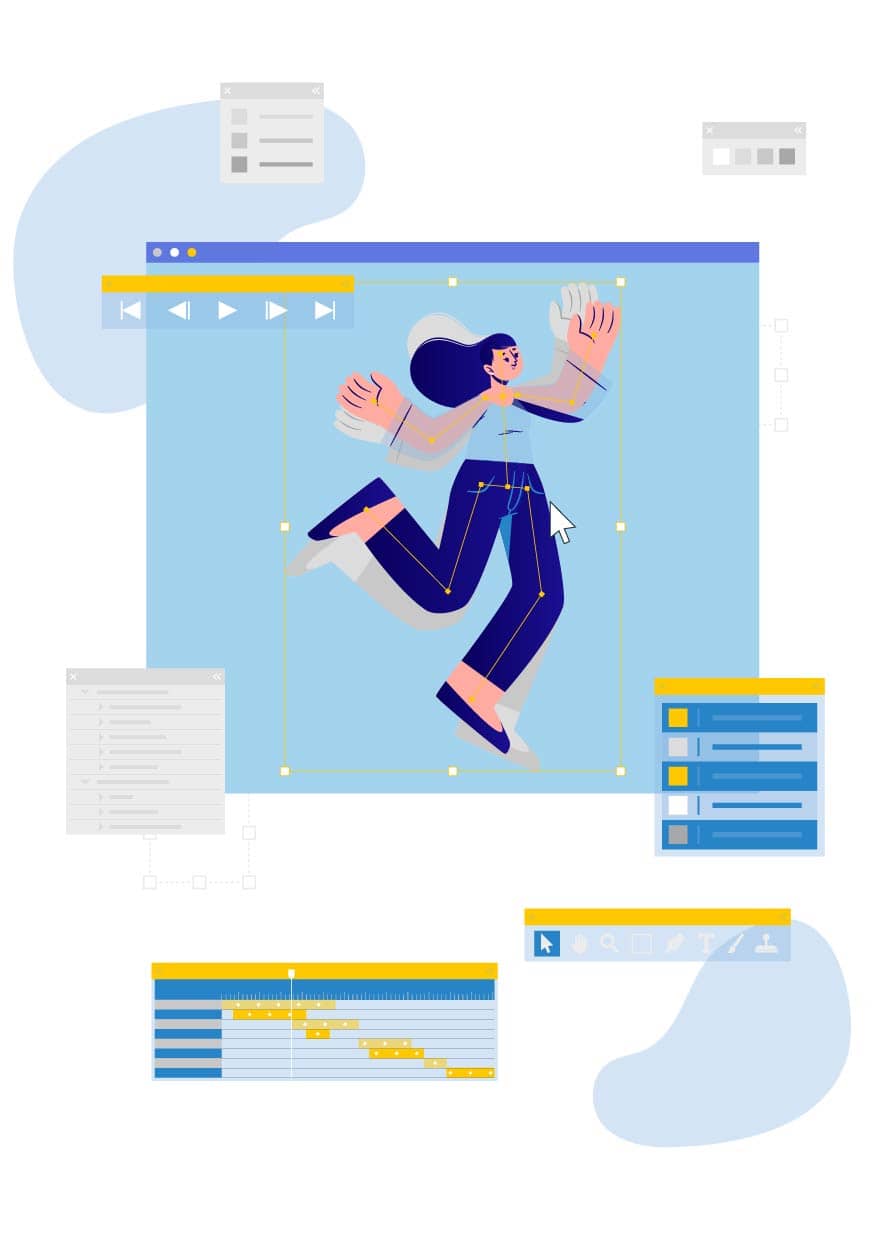
Smart design also aligns with semantic structure and content hierarchy. In other words, the page should not only look clear, but also be organized in a way that assists both people and search engines understand what matters most. That connection is what makes web design a foundation for long-term growth.
Why should web design count to Syracuse companies?
For organizations in Syracuse, NY, website design directly affects how customers perceive confidence, quality, and relevance. Whether you work in Downtown Syracuse, the University Hill area, or surrounding neighborhoods in Central New York, your website is often the first sign of credibility someone sees before they call, visit, or request a proposal.
Website design also plays a major role in local SEO. A well-structured site helps improve search visibility and supports stronger local search rankings by making it easier for search engines to interpret services, locations, and page topics. That plays out in highly competitive regional searches, especially when local users compare multiple businesses on mobile devices.
For many small companies, the website is not just a marketing asset; it is a growth engine. Well-planned design supports small business growth by increasing credibility, improving engagement, and helping more visitors become qualified leads. When paired with seo services and digital marketing, good design becomes part of a consistent system for bringing in and converting customers.
In a market like Syracuse, where community reputation matters, design should reinforce brand authority and trust and credibility. A polished, modern, local-focused site can help a business stand out in the regional marketplace and make a more memorable impression than a generic template.
What are the main components of successful web design?
Several building blocks consistently shape effective websites: flexible design, user-friendly navigation, speedy page speed, and direct calls to action. Together, these elements work to support conversion-focused design and make the visitor’s path easy to follow.
Flexible design makes sure the site adjusts to different screen sizes without sacrificing usability. This is essential for modern users who switch between laptops, tablets, and phones throughout the day. Reliable mobile-friendly design and mobile responsiveness are no longer optional; they are part of core performance optimization.
Site navigation should be easy to follow and concise. A simple navigation menu helps users locate services, contact information, reviews, and location pages without friction. Clear clear navigation reduces confusion and supports the customer journey.
Page speed is an important factor. Slow pages frustrate visitors and increase the chance they will leave before engaging. Fast pages are easier to use, help with technical performance, and contribute to a better overall experience.
CTAs should be prominent, well-matched, and action-oriented. Whether the goal is a consultation request, a quote, or a call, your action-oriented CTAs should be placed where users naturally expect them and written in language that inspires action. Strong call to action placement can significantly improve response rates.
How does mobile-friendly design affect performance?
Mobile optimization is one of the most vital aspects of web design because so many users browse on their phones. In Syracuse, that is especially true for people searching on the go, comparing businesses near campus, downtown, or throughout the broader metro area. A site with strong responsive layouts makes it easy for mobile users to read content, press buttons, and complete forms without frustration.
Mobile-friendly pages should prioritize quick-loading content, streamlined menus, thumb-friendly buttons, and readable font sizes. This improves website usability while promoting stronger engagement. If a user has to pinch, zoom, or search for contact details, the experience deteriorates quickly.
Strong mobile design also improves local discovery. Search engines increasingly evaluate whether a page serves the needs of mobile visitors well. That means mobile responsiveness supports both user satisfaction and visibility in local results. For Syracuse businesses serving busy customers, mobile-first thinking can directly increase lead flow.
Why is site structure important for SEO?
Site structure affects how both users and search engines interpret your content. Strong information architecture structures pages into logical groups so visitors can easily move from general services to specific offerings, location pages, or contact forms. This improves usability and improves the overall site experience.
Looking at SEO, clear structure supports search engine optimization by helping search engines crawl and interpret your pages efficiently. Thoughtful internal linking ties related content, distributes relevance across the site, and makes it easier for users to continue exploring. That combination can improve rankings and engagement at the same time.
When structure is built around user intent, the result is a site that meets real customer needs. A person looking for a local service in Syracuse may want pricing, proof of expertise, service area details, and a quick way to get in touch. Organized pages make those answers easier to find and promote stronger technical SEO outcomes.
How do design and content work together?
Design and content should not work separately. A visually appealing site with weak messaging will fall short, and strong writing on a hard-to-follow layout will also fall short. High-performing websites connect content strategy with visual design so every page echoes the same story, tone, and objective.
Brand messaging should be aligned across headers, service pages, forms, and calls to action. That consistency inspires confidence and helps users rapidly understand what a company provides, who it helps, and why it is distinct. In practice, strong brand consistency means the design language, tone of voice, and page content all reflect the same identity.
Content and design also drive conversion rate optimization. A page with direct headlines, relevant proof points, concise paragraphs, and visible contact options reduces friction from the decision process. When the page aligns with what users are seeking and makes action easy, it becomes much more natural to convert interest into leads.
Strong content should follow the shape of the page. The top-priority points belong near the top, with supporting details, FAQs, and trust elements placed where users naturally stop. This approach strengthens content hierarchy and helps the site feel more intuitive.
What role do seo services and digital marketing have?
seo services and digital marketing extend the benefit of design by making sure the site is discoverable, useful, and built for conversions. Web design responsive web design agency near me shapes the experience, while SEO and marketing help generate traffic and guide that traffic toward business goals.
For Syracuse companies, SEO strategy should include location-aware optimization, on-page content improvements, technical health, and local visibility. That means the site should support local SEO with location pages, service-area language, and a strong Google Business Profile. When those elements work together, the business is better positioned to compete in regional search results.
Digital marketing also helps connect the website to campaigns across email, paid search, social media, and remarketing. A well-designed site supports lead generation by giving every campaign a defined destination and a strong conversion path. Without a strong landing experience, even the best traffic sources can fall short.
Design improvements often have the largest impact when paired with ongoing SEO analysis. For example, if a page attracts clicks but does not convert, the problem may be message clarity, page layout, or weak proof. If a page has strong design but low visibility, the issue may be content targeting or technical SEO. That is why web design, seo services, and digital marketing should be treated as one connected system.
How can ai experts improve web design results?
ai experts can help businesses use AI tools to improve efficiency, personalization, and performance insights. In practical terms, that might include analyzing user behavior patterns, testing messaging variations, or identifying opportunities to improve content structure and navigation. When used thoughtfully, AI can support better decisions without replacing human strategy.
One of the most useful applications is personalization. AI-powered tools can help tailor content recommendations, service pathways, or calls to action based on visitor behavior and likely interests. That can make the site feel more relevant and improve conversion outcomes.
Artificial intelligence can additionally assist performance optimization by detecting page patterns that affect engagement, such as abandoned forms, unclear content flow, or sections that need better visual hierarchy. The strongest outcomes occur when ai experts pair data interpretation with design judgment and local market knowledge. For businesses in Syracuse, that means using technology to enhance the customer experience, not to make the site feel cookie-cutter.
What regional validation must Syracuse websites include?
Local validation is essential for organizations trying to gain attention and trust in competitive markets. For Syracuse sites, the strongest proof elements include Syracuse landmarks, local testimonials, and community trust signals. These details help visitors recognize that the business is present, rooted in the area, and familiar with local needs.
Referencing neighborhoods and familiar places can make a website feel more credible. For example, a service company might mention work near Armory Square, projects in Downtown Syracuse, or clients connected to the University Hill area. Those references do more than add flavor; they signal real regional experience.
Compelling trust elements may also include photos of local staff, nearby project examples, awards, association memberships, and reviews from Syracuse-area customers. These trust signals help ease concerns and support trust and credibility. When users see proof that other local clients have had positive experiences, they are more likely to take the next step.
For businesses serving Central New York, local proof should align with the actual service area. If the company works across Syracuse and surrounding communities, the site should reflect that clearly while remaining specific and authentic. Vague claims can weaken trust, while accurate local detail strengthens it.
What are the most common web design mistakes to avoid?
Some of the worst web design mistakes are simple to identify once you know what to look for. Slow loading pages can send users away before they engage, especially on mobile devices. A site that feels sluggish often seems less reliable as quickly as it loses focus.
Cluttered layouts cause confusion by forcing users to process too many elements at once. An overload of colors, competing headlines, packed sidebars, and excessive pop-ups can all weaken readability and diminish the user experience. Clean spacing and a strong visual hierarchy are far more effective.
Weak calls to action are yet another common mistake. If the website does not clearly tell people what to do next, many visitors will leave without converting. Every key page should use a distinct, prominent, and appropriate action prompt. Strong action-oriented CTAs can strengthen the flow of the customer journey and improve lead capture.
Additional avoidable issues include poor accessibility, confusing menus, missing contact details, and inconsistent branding. If a site is hard to use or does not communicate trust, visitors may question the business’s professionalism. Effective design should always support accessibility, clarity, and brand authority.
How do you measure whether web design is successful?
The performance of web design should be assessed with real data, not hunches. Primary indicators include analytics, bounce rate, page time, click activity, and conversion tracking. This data show how users interact with the site and whether the user experience is helping the business achieve its goals.
Analytics can uncover which pages attract traffic, where visitors arrive and bounce, and which calls to action get the most engagement. If a page receives traffic but generates few leads, the presentation or messaging may need refinement. If a page has high engagement but a poor conversion rate, the issue may be clarity, trust, or resistance in the submission process.
Bounce rate metric is valuable when interpreted alongside other metrics. A elevated bounce-rate figure may indicate that the page does not align with what users are looking for, the design is confusing, or the page is too slow-loading. However, it should still be read in context with the page type and visitor objective.
Conversion measurement is essential because it connects design decisions to business outcomes. If the goal is form submissions, phone calls, booked appointments, or quote requests, tracking helps identify which pages and features drive success. Here is where web design, seo services, digital marketing, and ai experts come together most clearly: traffic becomes measurable, and user experience becomes a factor of real lead generation.
For Syracuse businesses, tracking results should encompass local visibility too. This means monitoring how pages tied to service areas, Google Business Profile traffic, and regional landing pages add to outcomes in Syracuse, NY and across Central New York. When the data shows what is working, the site can be improved for stronger performance.
FAQ
What are the most important elements of effective web design?
The most important factors are user experience (UX), mobile-friendly design, clear menu structure, site speed, effective visual hierarchy, accessibility standards, and clear CTAs. These elements work together to boost usability, support search presence, and lead site visitors toward conversion.
How does web design impact SEO and local search visibility?
Website design influences SEO by shaping site layout, internal navigation, page performance, mobile friendliness, and content hierarchy. For local search visibility, design also helps with location relevance, trust markers, and Google Business Profile consistency, which are especially important for Syracuse businesses racing in regional search results.
Why is mobile-friendly design so important for Syracuse businesses?
Mobile-friendly design matters because many local users search on their phones while commuting, comparing options, or looking for fast information. In Syracuse, a mobile-first website helps people to find services faster, boosts engagement, and drives better performance in local search.
How can seo services and digital marketing improve website performance?
seo services boost visibility, technical SEO, and local SEO, while digital marketing generates targeted traffic and supports lead generation. Together, they enable a website reach the right audience, present value more clearly, and convert more visitors into customers.
Can ai experts help create a better website experience?
Yes. ai experts can use AI tools to evaluate behavior, enhance personalization, and identify opportunities for performance optimization. When combined with human strategy, AI can reinforce content strategy, boost user intent alignment, and make the website more effective overall.